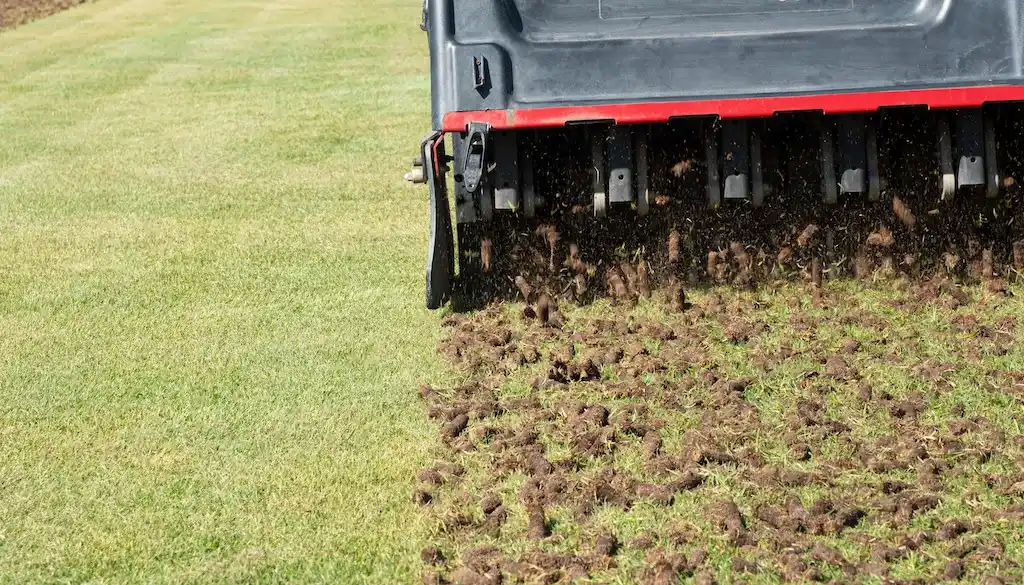
Core aeration on commercial turf
Aeration & Overseeding

Turf renovation that actually thickens the lawn by spring.

Fall core aeration plus overseeding with turf-type tall fescue blends sized for the Cincinnati and NKY transition zone. The one fall service that decides what your property looks like in April.

Sep-Oct
Optimal install window
2-3"
Core depth pulled
10-14
Days to germination
2x
Germination rate vs broadcast
The Fall Window

September decides what your property looks like in April

Cincinnati and Northern Kentucky sit in the cool-season turf transition zone, which means tall fescue is the right grass and fall is the only window that works for renovation. Soil is still warm enough for fast germination, air temps are cool enough to reduce seedling stress, and the seed has six to eight weeks of growth before the first hard frost.

Aerate and overseed in September; the lawn shows thicker in October, fills in over winter dormancy, and looks visibly renovated by April. Spring aeration is possible but inferior, crabgrass pre-emergent and growing crabgrass both interfere with seed establishment.

Compaction Is the Hidden Problem

Why commercial turf needs aeration more than residential

Three pressure sources stack up on commercial turf that residential lawns never see at the same intensity.

Foot traffic

Apartment common areas, office park walkways, retail frontage. Hundreds of footsteps a day in the same spots compact soil pores closed within a season.

Equipment compaction

Heavy mowers on the same routes each week. Even commercial-grade riders compress soil over time. Same equipment that maintains the property also creates the problem aeration solves.

Clay-heavy soils

NKY and Cincinnati native soils run heavy on clay. Clay compacts faster, drains slower, and starves roots of oxygen. Aeration is the only practical way to restore root-zone airflow without replacing soil.

What's Included

Core, seed, water plan, follow-through

The aeration itself is the easy part. What makes the difference between "we aerated" and "the turf actually improved" is everything around it.
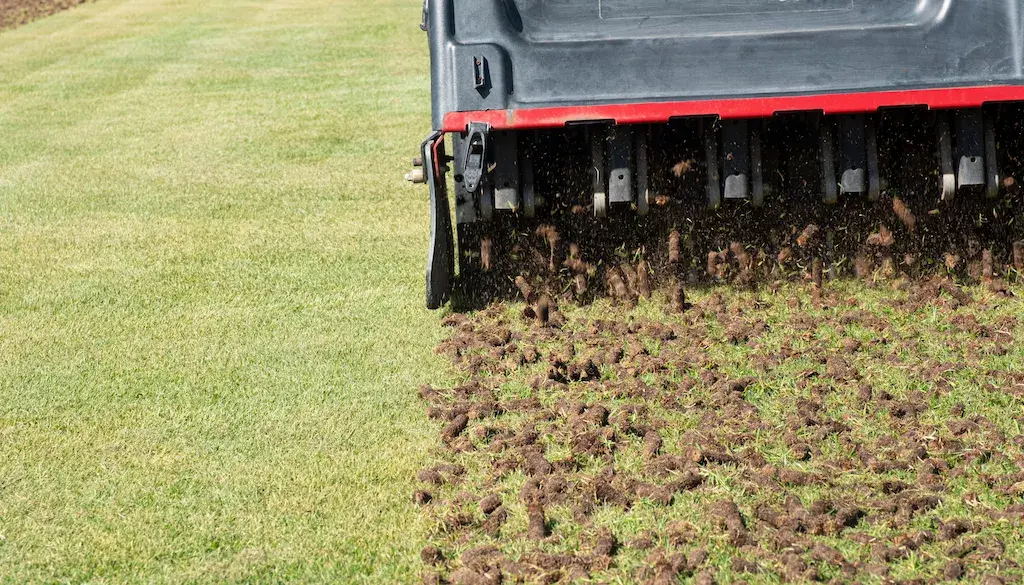
Core aeration pulling 2-3" plugs
Plugs left to break down naturally
Premium turf-type tall fescue seed
Seed broadcast at proper rate per area
Slit-seeding option in heavy bare areas
Written watering schedule for PM
Mow height raised for two cuts post-seed
Spring follow-up walk to confirm results
Core aeration in progress on a commercial property
02
The 14-Day Window

Watering is what germinates the seed

The two weeks after install are the entire job. Without consistent moisture, the most expensive seed in the world doesn't germinate.

Days 1-14: keep moist

Light watering, two to three times a day in dry weather. Goal is to keep the top inch of soil consistently damp until germination. We hand you a written schedule.

Days 14-30: taper down

Once germination is visible, reduce frequency and increase volume per watering. This trains roots to go deeper instead of staying shallow.

Spring: confirm results

We do a follow-up property walk in April to confirm fill-in and identify any spots that need a second pass. Renovation is a multi-month process and we don't disappear after install.

FAQ

What property managers ask about aeration and overseeding

When is the best time to aerate in Cincinnati and Northern Kentucky?

+
Mid September through mid October is the optimal window for cool-season turf in our transition-zone climate. Soil is still warm enough for fast germination, air temps are cool enough to reduce seedling stress, and the seed has six to eight weeks of growth before the first hard frost. Spring aeration is possible but inferior because crabgrass pre-emergent and growing crabgrass both interfere with seed establishment.

Core aeration or liquid aeration, what's the difference?

+
Core aeration pulls actual plugs of soil out of the lawn, leaving holes 2 to 3 inches deep that relieve compaction and let air, water, and seed reach the root zone. Liquid aeration is a soil conditioner that loosens compaction chemically over time. For commercial properties with foot traffic, equipment compaction, and overseeding goals, core aeration is the right call. We do core.

Do you always overseed at the same time as aeration?

+
Yes when the goal is turf improvement. The aerator holes are the perfect seed-to-soil contact points, so combining the two services nearly doubles seed germination compared to broadcasting on uncored turf. Aeration without overseeding is fine for compaction relief alone, but most properties benefit from doing both.

What seed blend do you use?

+
A turf-type tall fescue blend optimized for the Cincinnati/NKY transition zone. Tall fescue handles our hot summers and cold winters better than Kentucky bluegrass straight, holds up to commercial foot traffic, and germinates reliably with the right install timing. Premium-grade only, no contractor mix.

How long until we see results?

+
Visible germination in 10 to 14 days under normal fall conditions. Noticeable thickening in 4 to 6 weeks. Full turf improvement shows by spring of the following year. This is a multi-month process, not a same-day improvement, which is why fall timing matters: spring shows the result the property manager paid for in September.

How often should commercial properties get aerated and overseeded?

+
Annual for properties with heavy foot traffic, compacted soils, or visible thinning. Every two to three years for established turf in good shape. We can recommend a per-property cycle after walking the portfolio. Multifamily and office park common areas almost always benefit from annual.

What watering does the property need after overseeding?

+
Light, frequent watering for the first 14 days. The seed needs to stay moist until germination. We hand the property manager a written watering schedule before we leave. Where irrigation is in place, we can set it. Where there isn't irrigation, fall rain usually does most of the work, but a couple of supplemental waterings during dry stretches makes a measurable difference.

Can you mow normally after overseeding?

+
Yes, with one adjustment. We raise the cut height by a half inch for the first two cuts after overseeding to protect the seedlings. Then back to normal. The crew assigned to your portfolio handles this automatically.
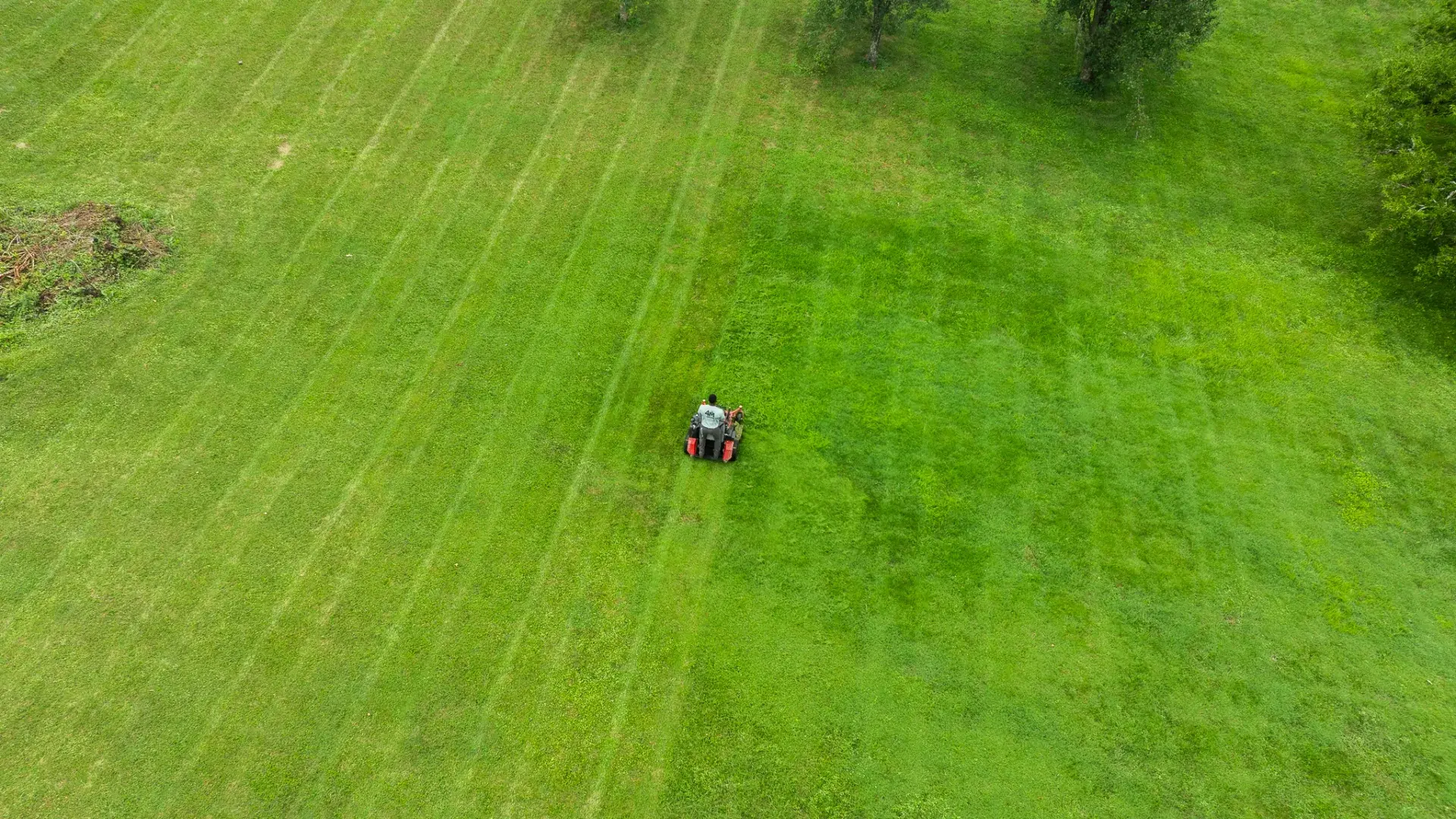
Maintained commercial property

Book the fall window before it closes

The optimal install window is roughly six weeks long. Send your property list now and we'll schedule the portfolio rollout when soil temps hit the target range.