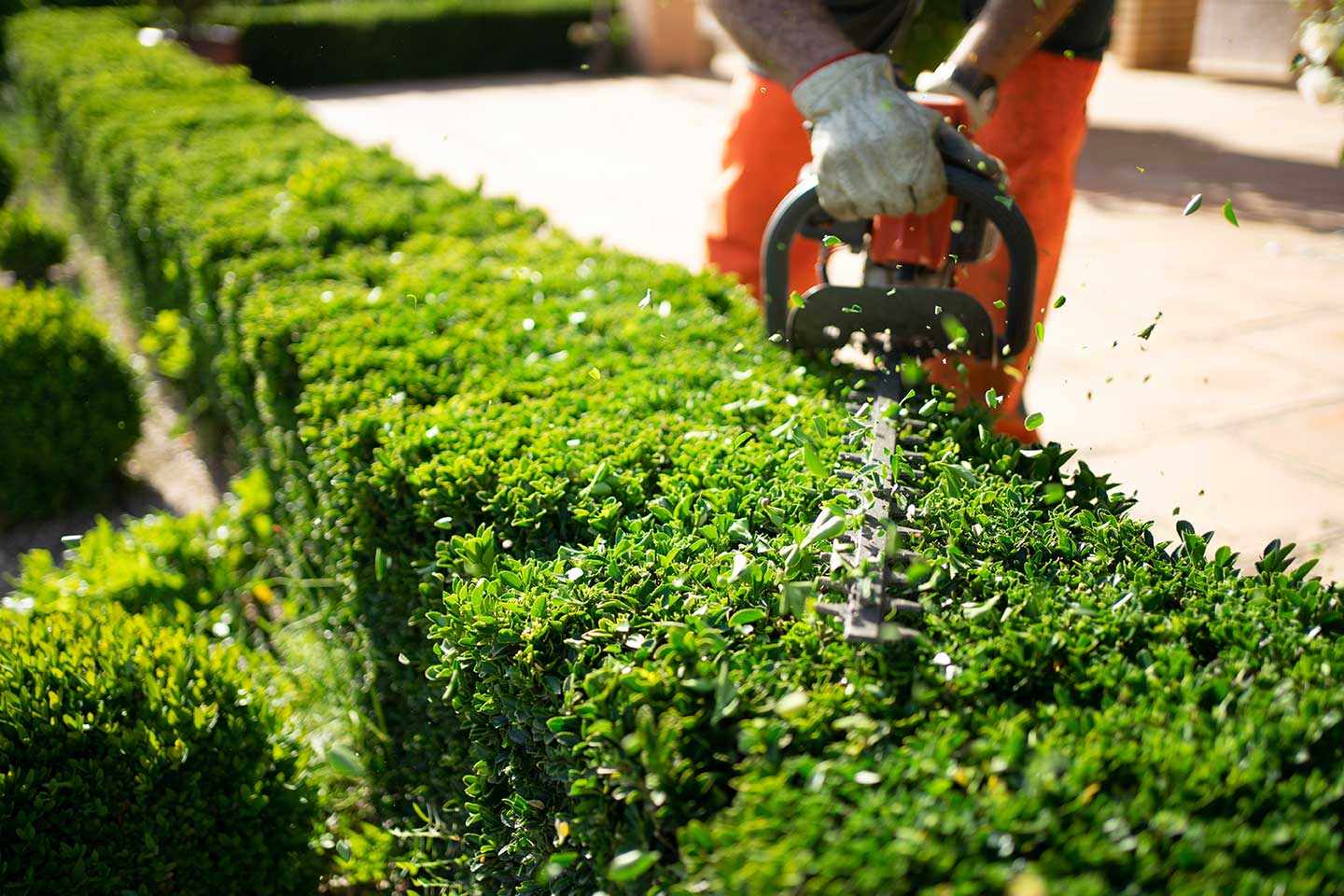
Pruning that protects the property, not just shapes the shrub.
Structural and cosmetic pruning on a per-species calendar. Sight lines kept clear, signs visible, HVAC equipment accessible, and the curb appeal sharper after every visit.
Pruning is the structural work. Trimming is the shape touch-up.
Routine trimming on mowing visits keeps shrubs and hedges in shape week-to-week. Structural pruning, once or twice a year per species, is what keeps the plant healthy, the property safe, and the curb appeal sharp through the season.
On commercial properties, pruning is also a liability service. Overgrown shrubs that block sight lines at parking exits, hide address numbers, or grow into HVAC equipment are real costs waiting to happen. Annual pruning is the cheapest insurance you can buy on the landscape.
Three pruning priorities that protect the property
Aesthetic pruning matters. These three matter more, because they're the ones that show up as code violations, insurance claims, or service interruptions.
Sight-line pruning
Parking lot exits, driveway approaches, intersections, and stop signs all need clear sight triangles. Shrubs that grow into those zones become accident liability. We maintain visibility every cycle.
Code-compliance pruning
Address numbers must be visible from the street, fire lanes must be unobstructed, and exits must be clear. Annual structural pruning prevents the code-violation notice that arrives right before an inspection.
Equipment-clearance pruning
HVAC units need 18 to 24 inches of clearance. Utility meters need to be readable. Dumpster enclosures need haul access. Pruning these on a cycle prevents equipment damage and service-call surcharges.
Timing matters as much as technique
Pruning a spring-flowering shrub in early spring cuts off the buds you wanted to see in May. Pruning a summer-flowering shrub after it blooms removes next year's growth. Every species has a window, and we work them on the right schedule.
Spring-flowering shrubs
Azalea, forsythia, lilac, viburnum. Pruned right after they bloom (late spring) so next year's buds have time to set.
Summer-flowering shrubs
Hydrangea paniculata, butterfly bush, rose of Sharon. Pruned in late winter or early spring before new growth starts.
Evergreens and hedges
Boxwood, yew, holly, privet. Shaped mid-spring through early summer. Two to three passes a year for formal hedges.
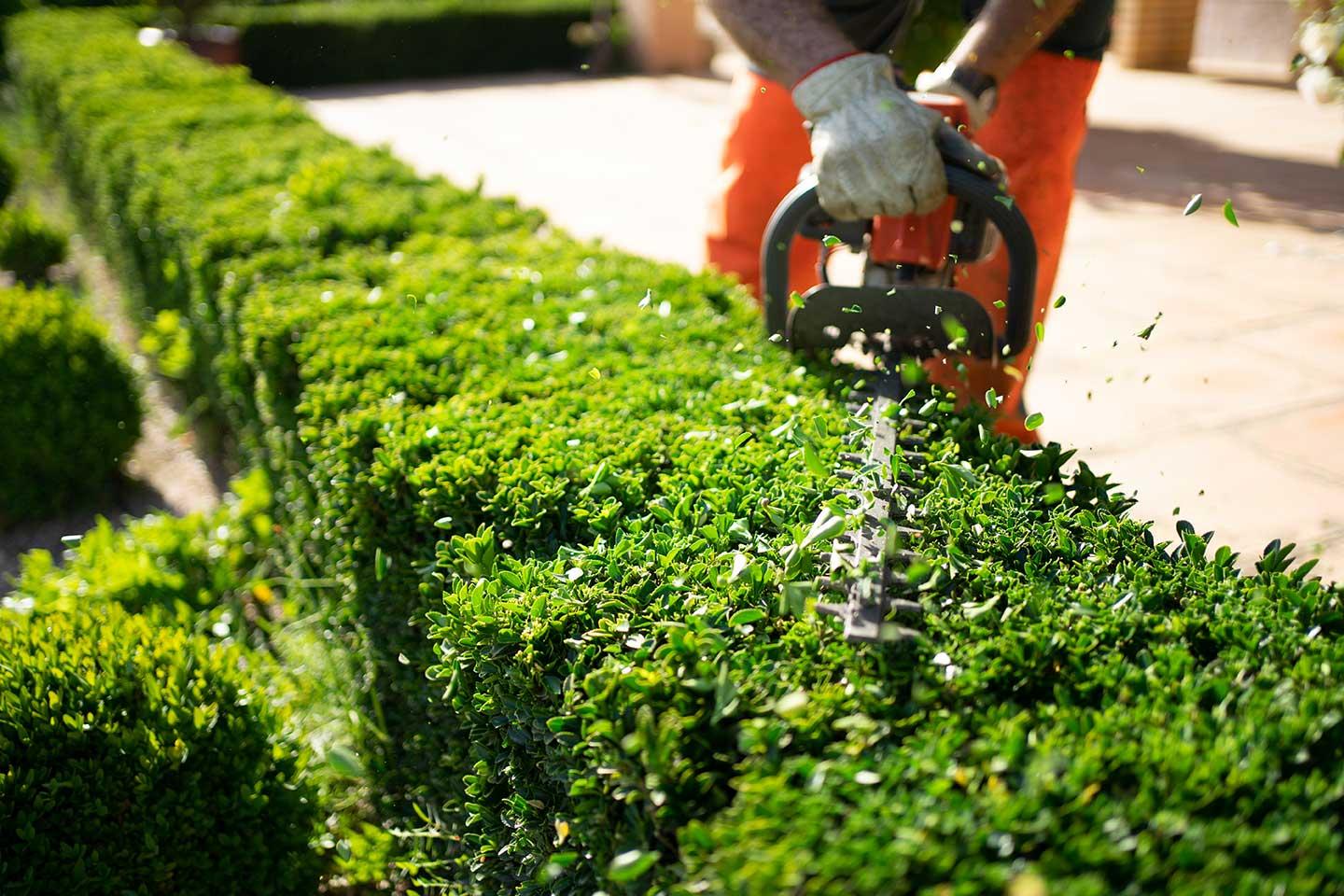
What's included in a pruning visit
Tree work over 15 feet is referred to a certified arborist for safety reasons. We coordinate the handoff and stay on cleanup. All cuttings leave the property in our trucks the same day.
What property managers ask about pruning
When should commercial shrubs and hedges be pruned?
+
What's the difference between pruning and trimming?
+
Do you handle trees too?
+
Why is liability a concern with overgrown shrubs?
+
How often should hedges and shrubs be shaped?
+
What about flowering shrubs and ornamental grasses?
+
Do you haul away the cuttings?
+
Can you prune around HVAC, dumpsters, and utility equipment?
+
Get a per-species pruning plan for your portfolio
Send your property list. We walk each site, document the plant inventory, and come back with a pruning calendar and pricing for the year.